The Rare and Serious Power Failure Aboard a U.S. Navy Destroyer
In a recent interview, retired Navy fighter pilot and founder of No Fallen Heroes, Matthew “Wiz” Buckley, provided expert insight into an unusual and troubling incident involving a U.S. Navy destroyer. The ship, approximately 30 years old, suffered a severe power failure so extensive that it had to be towed back to port. This event has raised questions about ship readiness, crew morale, and potential security risks, especially given the current active combat environment in the Middle East.
An Exceptionally Rare Engineering Casualty
When asked how unusual it is for a Navy destroyer to experience such a crippling power failure, Buckley did not mince words. “It’s incredibly rare,” he stated, drawing on over three decades of naval experience. He recalled his first deployment on the USS Abraham Lincoln and noted that even then, such a massive engineering casualty was unheard of.
Buckley explained that the failure affected what sailors affectionately call “hotel services” — potable water, plumbing, and refrigeration. Losing these essential systems is a serious blow to a ship’s operational capability. He emphasized that while the Navy will conduct a thorough investigation, the incident is a significant black eye for the service. “I guarantee you behind the scenes, they’re debriefing and figuring out what happened so this can’t happen again,” he said.
Why the Delay in Public Information?
The timeline of public disclosure has also drawn scrutiny. Buckley pointed out that the military traditionally keeps information close to the vest, a practice rooted in the World War II adage, “Loose lips sink ships.” He reminded viewers that the USS Abraham Lincoln and its carrier strike group are currently engaged in active combat, with Iran actively trying to sink the ship. “If Iran could kill 5,000 sailors and Marines on board her, they’d do it today,” Buckley warned.

In this context, any report of low stockpiles of missiles or low morale on Navy vessels plays directly into the hands of the enemy. The need for operational security, especially when ships are on the front lines, can delay the release of detailed information to the public.
Sabotage Cannot Be Ruled Out
One of the more provocative points raised was the possibility of sabotage. Buckley noted that before a deployment, security guards are placed around critical engineering spaces. He described a chilling scenario: on ships with gas turbine engines, even something as small as a few pennies dropped into the intake could destroy a $50 to $100 million motor, effectively grounding the ship.
While Buckley was careful not to call the incident sabotage outright, he stated plainly, “I don’t rule anything out.” He linked the possibility to low morale and other issues that have been reported on some ships. Ultimately, he deferred to the Navy’s formal investigation to determine the root cause. “The AARs, the debriefs are flying around,” he said, adding that the Commander of the U.S. Pacific Fleet is likely working around the clock to ensure this failure does not happen on any other ship heading into combat.
The Toll of Prolonged Deployments
Buckley also highlighted the impact of prolonged deployments on both the crew and the ship’s material readiness. The destroyer in question is about 30 years old, and sustained operations in a high-stress environment can accelerate wear and tear. Fortunately, no injuries were reported during this particular power failure, but the incident underscores the challenges facing the Navy as it maintains a constant presence in active combat zones.
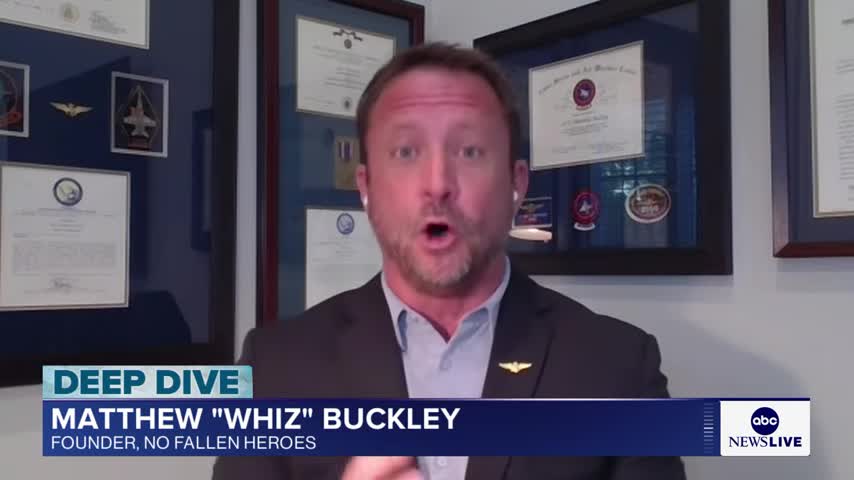
The crew of the Lincoln and its strike group are operating at “the tip of the spear,” and Buckley expressed his gratitude for their service, reminding us that they are in the middle of an active war. Their resilience in the face of such challenges is commendable, but the incident serves as a stark reminder of the fragility of even the most advanced naval systems.
Conclusion
This rare and severe power failure on a 30-year-old Navy destroyer is a wake-up call. While the exact cause remains under investigation, the incident highlights the delicate balance between operational security, crew morale, and the relentless demands of modern naval warfare. As Buckley noted, the Navy will conduct rigorous after-action reviews to prevent a recurrence. For now, the focus remains on the safety of the sailors and the readiness of the fleet as they continue to operate in harm’s way.
Leave a Reply