Introduction
That vibrant orange color slick skin you can’t help but run your fingers over and that sweet, almost tropical scent of the mango fruit really do put on a show for the senses. Maybe you have bitten into one so ripe the juice ran down your chin. But have you ever thought about how this fruit weaves its way through kitchens and hearts across continents? From India’s tangy chutneys to Mexico’s zippy salsas, mangoes are not just an add on, they are the star in a whole lineup of dishes. Here, we are peeling back the layers (pun intended) on mangoes: their story, what they are good for and how people cook with them.
Still, why do mangoes get so much love? Is it just that they have got that buttery sweet flavor and look fancy on a plate? Or is there something more? Maybe it is that burst of sunshine color or the way they wake up a salad. Who can say for sure? But one thing’s certain people can’t get enough. Come along, we have got some mango marvels to uncover.
What Is a Mango?
Mangoes come from the Anacardiaceae clan same group as pistachios and cashews, surprisingly enough. Their thick skin gives way to bright, juicy flesh that manages to be both sweet and tangy, making every bite an odd little surprise. And get this: there are over a hundred types, making mango one of the most eaten fruits worldwide.
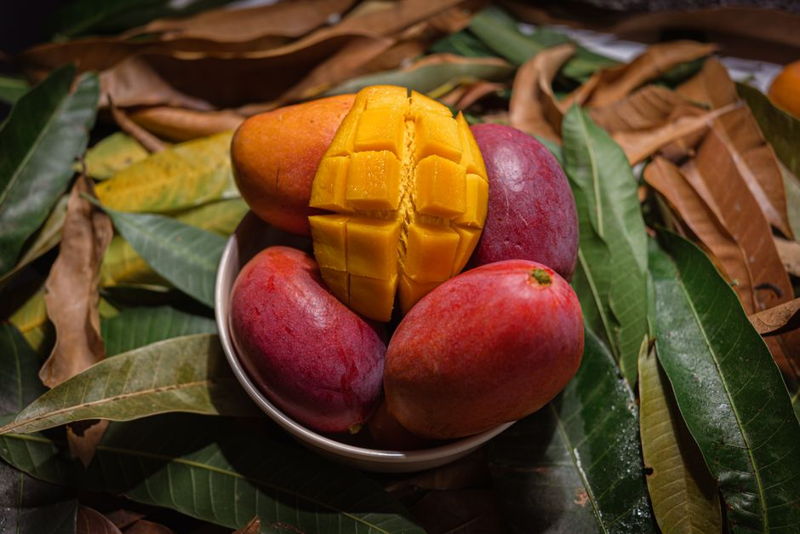
Some names might ring a bell: Alphonso, Ataulfo, Haden. Alphonso is creamy sweet, almost custard like. Ataulfo? Firmer, not quite as sweet but still a treat. Haden’s got its own fan club. Each one brings something different to the table, but they all belong in your kitchen or at least on your summer shopping list.
History and Origins of Mango
Mangoes have been around a long, long time think thousands of years. Their story starts in ancient India, where they were not just food, they were sacred. The Ramayana (that epic poem full of gods and adventure) even calls them out as symbols of love and fertility. Pretty romantic, honestly. From there, mangoes wandered east to China, found a home in the Philippines and popped up all over Southeast Asia. They made their mark in traditional medicine, ceremonies and just about every celebration you can imagine.
Take Akbar, for example. The Mughal emperor supposedly planted an entire forest over 100,000 mango trees. Not exactly what you would expect from a ruler, but it says a lot about how prized mangoes were (and still are) among the powerful and everyday folks alike. The stories keep going, but you get the idea.
Varieties of Mango Around the World
Sweet Ataulfo from Mexico. Spiky, surprising kinds from Africa. The list really does go on and on. Let us talk Tommy Atkins Florida’s favorite. It is tough, sweet, stays fresh forever in the fridge. And then there is the Chaunsa mango in Pakistan. That one’s all about the melt in your mouth richness, almost too soft to slice cleanly. People travel miles for the first batch each year.
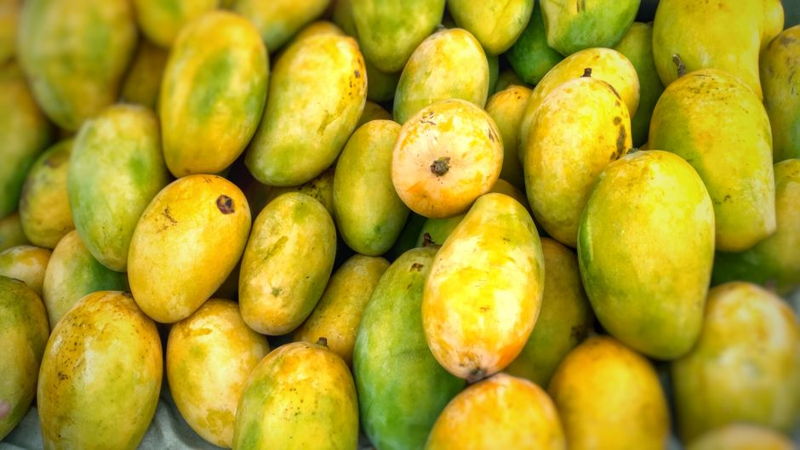
Bit of a side note: growing mangoes is not always a walk in the park. Whether you are on a farm or just fussing with a potted seedling on your patio, patience is key. Some folks swap tips at weekend markets, others share seedlings with neighbors. It can be trial and error but that first homegrown mango? Worth every sunburn and mosquito bite.
Nutritional Benefits of Mango
People call mangoes a superfood for a reason (even if that word gets thrown around too much). They are packed with vitamins A and C, have plenty of potassium and bring a decent dose of fiber, which is part of what makes mango nutrition so noteworthy. But there is more: studies say mangoes carry an odd mix of antioxidants and compounds that may help fend off things like heart trouble and yes, even cancer. The Journal of Nutrition laid out some of those findings not bad for something that tastes like dessert.
Looking for an easy win? Toss some mango chunks on your morning oatmeal or swirl them into yogurt. If you are feeling adventurous, mix them into salsas or just toss them in a blender with whatever else you have got. Some days, that is all the inspiration you need to make breakfast (or lunch or a quick snack) a little brighter.
How to Select and Store Mangoes
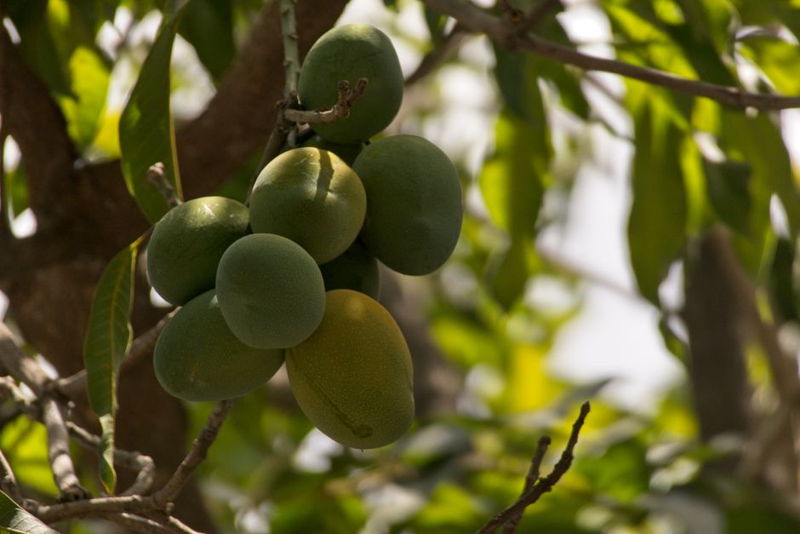
Picking a mango is not rocket science, but a few tricks help. Grab one if it feels heavy for its size and smells sweet (with a hint of something sharp), you are off to a good start. Squeeze gently. Ripe mangoes give just a little, kind of like a ripe avocado, but not too much. After you get them home, let them sit out at room temp until they hit peak ripeness. Sunlight is not their friend, though.
Here is a mistake plenty of people make: popping mangoes in the fridge as soon as they get home. That kills the flavor and makes them grainy. Let them finish ripening on the counter, then cool them down only after they are ready to eat. It is a small change, but it can mean the difference between an amazing mango and a disappointing one.
Culinary Uses of Mango
Mangoes are not picky. They will show up in fancy desserts think sorbet and tart or just as easily in a simple salsa. One dish you might try, a great example of mango recipes, is a salad with mango and avocado, it is creamy, sweet and pretty much tastes like summer in a bowl.
Pairing ideas? Sure, but the list never really ends. Mango plus spicy peppers and red onion gives you a salsa that will wake up any taco night. Or, go for coconut milk and lime, blend it all and you are halfway to a smoothie the color of a sunset. The best part is stumbling on a combo by accident and loving it.
Health Considerations and Allergies
Mangoes are good for most, but not everyone can eat them without side effects. Some folks react to the skin or sap itchiness, sometimes worse. There are rare cases where it triggers something severe, so it pays to be cautious. Others just get a bit of stomach upset gassy, uncomfortable, you know the deal.
Easy fix: Wash well before cutting and keep things clean to avoid mixing mango residue with other foods. If you notice anything odd after eating mango, do not brush it off. Sometimes it is nothing, but sometimes you need to check with a doctor. Better safe than sorry.
Conclusion
So that is the wild, sweet and sometimes surprising journey of mangoes. From ancient legends to your own fruit bowl, they have stayed a favorite for good reasons color flavor and yes, plenty of nutrients packed in, highlighting the numerous mango benefits that make them a great addition to a healthy diet. Eat one today, your body (and your taste buds) will probably give you a little nod of approval.
Got a secret mango trick? A favorite kind you crave every summer? Or maybe your own story, like the time you tried to slice one and made a mess those count too. Drop us a line. Whether you are a longtime fan or just now tasting your first real, ripe mango, there is always more to discover. And that is just the start.
Leave a Reply