The SaaSpocalypse: How AI is Disrupting the Software Industry
One of those jaw dropping days on Wall Street just played out software stocks nosedived and investors were left with that sinking feeling in their stomachs. Nearly $300 billion in market cap evaporated and people can’t stop talking about AI’s role in this tumble. Yet, underneath all this turmoil, something deeper is unfolding. It will not just rattle portfolios, it will change daily life for anyone tied to software or even just a computer at work.
Understanding the SaaSpocalypse
This is not your typical tech stock panic. It is a major upheaval. Some folks will make a fortune off tis chaos, while others could see their retirement savings shrink. Why? The real culprit is a leap in agentic AI machines now pulling off tasks that used to need a live human (or three). Grasping the SaaSpocalypse, why it is here and how to navigate it might mean the difference between cashing in and getting steamrolled. Where should you look if you want to survive, maybe even thrive? Let us get into it.
The Causes of the SaaSpocalypse
This wild drop in software valuations? It started with a surprisingly simple legal plugin for Claude Cowork, built by Anthropic. Just 200 lines of open source text. Yet, with that, Claude suddenly could review contracts, analyze NDAs, compare legalese nd draft up compliance summaries work that eats up hours for junior associates, paralegals and yes, lawyers. The ripple effect from this was almost immediate.
After that plugin landed, SaaS stocks tanked again, we are talking about nearly $300 billion erased. Household names like Adobe, Salesforce, ServiceNow, HubSpot and Intuit all got hammered. People started calling this the SaaSpocalypse and honestly, it fits. It is a loud reminder: the old way of selling software suddenly looks fragile when AI can do the same jobs faster, cheaper and maybe better. Some execs probably lost sleep that night.
The Impact of Agentic AI
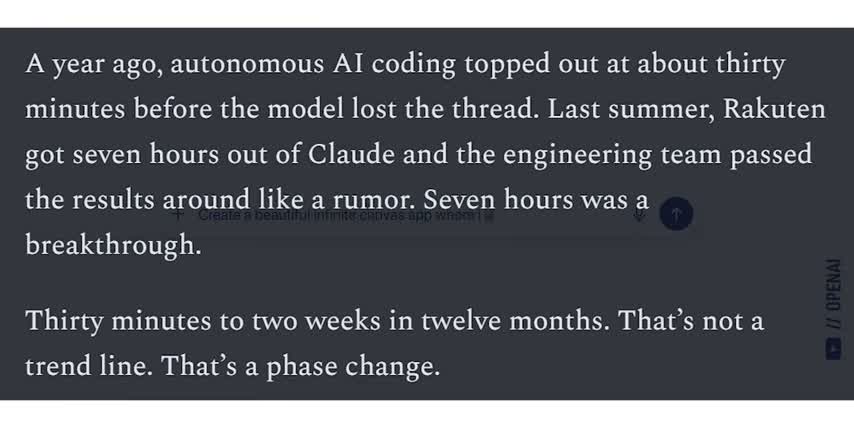
These new AI agents seriously, you would not believe what they are pulling off. Take Anthropic’s Claude Opus 4.6: it built a C compiler in Rust (not exactly beginner stuff) in two weeks, for just $20,000. Something that would have taken a team of engineers months, if not longer. This is a watershed moment for the entire software industry. Suddenly, what we thought was “human only” work looks a lot less exclusive.
How are they pulling it off? Turns out, it is thanks to “needle in a haystack” retrieval. Imagine an AI that can sift through mountains of text, spot what matters and piece it together almost like an engineer who is been with the project since day one and never forgets a thing. Apparently, these AI agents can juggle 50,000 lines of code in their virtual heads. Kind of scary, kind of impressive.
Companies at Risk
Most SaaS companies have been riding on three basic ideas: keep popular features behind a tidy interface, price by user and chase growth by adding more people. But AI agents? They break all those rules. They can take on the workload of several actual humans, rebuild common processes from scratch an let customers tweak or extend workflows right in house. That is a sea change no exaggeration.

Who is most exposed? The companies whose core is basic features, only dressed up with a snappy interface and who depend on charging for every person using them. Think CRM, helpdesk, project management, basic marketing, sales, document generation the list is long and a bit bleak. Salesforce, ServiceNow, HubSpot, Monday.com, LegalZoom: all probably sweating a little as they watch AI get smarter by the month.
Companies That Will Thrive
And now, a sharp turn: not every company is spooked. The ones not stuck on the old SaaS model are actually in a good spot. Adobe, for instance, is not just another software company. It is where brands make the stuff people see logos, videos, campaign graphics. That is not easily replaced. Figma stands out too, it is turned design into a collaborative sport, with entire teams working together in real time. Try automating that away good luck.
There is Palantir as well. With its foundry and AIP platforms, it acts as the living memory for how a company operates day to day a dashboard nobody wants to live without. These are not just tools, they are the engine rooms where content gets made, where data is created and changed. It is hard to picture AI agents fully replacing that. Maybe someday, but not next quarter.
Investment Opportunities
If you are hunting for growth, keep your eyes on chips, infrastructure and AI centric platforms. Nvidia, AMD, Broadcom these are the names surfacing again and again, thanks to demand for raw computing muscle. Amazon, Microsoft, Google? They own nearly two thirds of the planet’s cloud servers, plus their own AI stacks layered on top. Tat is a lot of leverage.
What about the upstarts? Coreweave, Nebius and iREN are building specialized data centers and renting out GPU time think of them as the new landlords of the AI boom. Vertiv sells the nuts and bolts the electrical and cooling gear every data center needs. Not flashy, but essential.
And then there are the software outfits built with AI at their center Palantir and CrowdStrike come to mind. They are giving customers the tools to bake AI into their daily routines. Odds are, we will see those names grow as companies scramble to keep up. And that is just the start.
Conclusion
The SaaSpocalypse is more than a headline, it is a warning siren for anyone holding onto the old software playbook. But for those willing to look ahead, to adapt and maybe to take a few calculated risks, this could be a rich hunting ground. Learn what is fueling this shake up, spot the most threatened players then deploy your capital where the real momentum is building.
Agentic AI is not just another tech fad. This is a deep structural change adn it is going to echo through every corner of software and likely a lot beyond. It will open doors and slam others shut, sometimes overnight. Will you be ready? That depends on how you move now. Still, you get the point.

Leave a Reply