Introduction to the World of Coding
What if you could transform industries with coding? As we dive into the realm of coding, it becomes clear that this skill is not only in high demand but also has the potential to revolutionize various sectors. With the job market and technological advancements being heavily influenced by coding, it’s essential to understand its impact. In this article, you can expect to learn about the fundamentals of coding, its history, and how it’s applied in different fields, as well as gain insights into the diverse career paths available to coders.
Coding is no longer a niche skill; it’s a necessity in today’s digital age. As you’re about to discover, coding is an art that requires precision, patience, and practice. From mobile apps to websites, coding is the backbone of the digital world. So, let’s embark on this journey to explore the world of coding and uncover its secrets.
What Is Coding?
Coding can be thought of as writing a recipe for a computer. It involves using programming languages to create a set of instructions that a computer can understand and execute. Just like how a recipe requires specific ingredients and steps to produce a dish, coding requires a specific syntax and structure to create a functional program. To illustrate this concept, consider a chef who needs to follow a recipe to prepare a meal. Similarly, a coder needs to follow a set of instructions to create a program.

A real-world example of coding in action is the development of mobile apps. When you download an app on your smartphone, you’re essentially using a program that was created by a coder. The app’s functionality, from its user interface to its ability to process information, is all thanks to the code that was written by a developer. This is just one example of how coding is used in everyday applications.
A Brief History of Coding
The history of coding dates back to the early 19th century, when the first programming languages were developed. One of the pioneers in this field was Ada Lovelace, who is often credited as the first computer programmer. She wrote the first algorithm intended to be processed by a machine, specifically the Analytical Engine. Since then, coding has evolved significantly, with the development of new programming languages and technologies.
Today, we have a diverse range of programming languages, each with its own strengths and weaknesses. From Python to Java, and from front-end development to back-end development, the world of coding is vast and complex. The evolution of coding has led to the creation of various programming languages and technologies, which have transformed the way we live and work.
Major Milestones in Coding History
The development of the first programming languages, such as COBOL and Fortran, marked the beginning of the coding era. The creation of the internet and the world wide web further accelerated the growth of coding, with the development of languages like HTML, CSS, and JavaScript. Today, we have a wide range of programming languages and technologies, from mobile app development to artificial intelligence.
Common Coding Languages
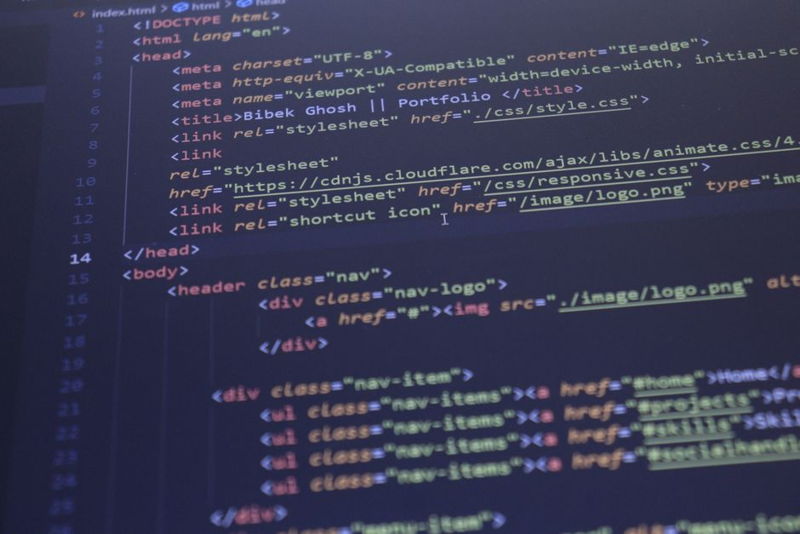
When it comes to coding, there are several programming languages that are widely used. Python, Java, and JavaScript are some of the most popular languages, each with its own unique characteristics and applications. Python is known for its simplicity and versatility, making it a popular choice for beginners. Java is widely used for Android app development, while JavaScript is the language of the web, used for front-end development.
Front-end development involves creating the user interface and user experience of a website or application, using languages like HTML, CSS, and JavaScript. Back-end development, on the other hand, involves creating the server-side logic, database integration, and API connectivity, using languages like Java, Python, and Ruby. The choice of language depends on the specific requirements of the project and the goals of the developer.
Popular Programming Languages
Some of the most in-demand programming languages include Python, Java, JavaScript, and C++. These languages are widely used in various industries, from web development to mobile app development. Python is particularly popular in the field of data science and machine learning, while Java is widely used in Android app development. JavaScript is the language of the web, used for front-end development, and C++ is a high-performance language used in game development and system programming.

When choosing a programming language, it’s essential to consider factors like scalability, compatibility, and ease of learning. Beginners should consider starting with languages like Python or JavaScript, which have a relatively low barrier to entry. More experienced developers can explore languages like Java or C++, which offer more advanced features and capabilities.
Foundational Concepts in Coding
Coding involves several fundamental concepts, including variables, data types, and control structures. Variables are used to store and manipulate data, while data types determine the type of data that can be stored in a variable. Control structures, such as loops and conditional statements, are used to control the flow of a program.
Debugging is an essential part of the coding process, involving the identification and correction of errors in the code. It’s a crucial step in ensuring that the program works as intended and is free from bugs. By understanding these foundational concepts, developers can create efficient and effective programs that solve real-world problems.
How Coding Powers Technology
Coding is the driving force behind many technologies, from artificial intelligence to cybersecurity. It enables innovation, allowing developers to create new products and services that transform the way we live and work. Coding has the potential to solve real-world problems, such as climate change and accessibility issues, by creating solutions that are tailored to specific needs.

For example, coding is used in healthcare to develop medical devices and software that improve patient outcomes. It’s used in finance to create secure and efficient payment systems. It’s even used in education to develop interactive learning tools and platforms. The possibilities are endless, and the impact of coding on technology is undeniable.
Learning to Code: Getting Started
Learning to code can seem daunting, but it’s a skill that can be developed with practice and dedication. Beginners should start by setting up a coding environment, choosing a programming language, and finding resources to learn from. Online courses, coding communities, and tutorials are all great resources for learning the basics of coding.
Practice and project-based learning are essential for becoming proficient in coding. By working on real-world projects, developers can apply their skills to practical problems and gain experience. It’s also important to join coding communities and forums, where beginners can find support and feedback on their projects.
Essential Resources for Learning to Code
There are many resources available for learning to code, including textbooks, online courses, and tutorials. Some popular resources include Codecademy, Coursera, and Udemy. These platforms offer a wide range of courses and tutorials, from beginner to advanced levels, and cover various programming languages and topics.
Coding communities, such as GitHub and Stack Overflow, provide a platform for developers to share their projects, get feedback, and learn from others. These communities are invaluable for beginners, as they offer a supportive environment where developers can ask questions, share their experiences, and learn from others.
Practical Applications of Coding
Coding has many practical applications, from web development to mobile app development, and from data science to artificial intelligence. It’s used in various industries, including finance, healthcare, and education, to create solutions that solve real-world problems. By applying coding skills to practical problems, developers can make a significant impact and create innovative solutions.
For example, coding is used in web development to create websites and web applications that are user-friendly, efficient, and secure. It’s used in mobile app development to create apps that are engaging, interactive, and functional. It’s even used in data science to analyze data, create models, and make predictions.
Challenges Faced by New Coders
New coders often face challenges, such as imposter syndrome, difficulty in debugging, and frustration with the learning process. However, these challenges can be overcome with persistence, patience, and practice. It’s essential to seek mentorship, join coding communities, and use debugging tools to overcome these challenges.
By acknowledging these challenges and seeking help, new coders can overcome the obstacles and become proficient in coding. It’s a journey that requires dedication, hard work, and a willingness to learn. With the right mindset and resources, anyone can learn to code and unlock the doors to a world of opportunities.
Tips for Improving Your Coding Skills
To improve your coding skills, it’s essential to stay updated with industry trends, participate in coding challenges, and join online communities. Code review and feedback are also crucial in refining your coding abilities. By collaborating with other coders, you can learn from their experiences, gain new insights, and enhance your skills.
Participating in open-source projects is another way to improve your coding skills. By contributing to these projects, you can gain experience, learn from others, and build your portfolio. It’s also essential to set achievable goals, create a learning schedule, and track your progress. With persistence and dedication, you can become a proficient coder and unlock the doors to a world of opportunities.
The Role of Coding in Education
Coding is becoming an essential part of education, from elementary school to university levels. It’s being integrated into curricula to teach problem-solving skills, digital literacy, and critical thinking. By learning to code, students can develop a wide range of skills, from creativity to analytical thinking.
Initiatives and programs are being launched to increase access to coding education, particularly for underrepresented groups. These programs aim to provide opportunities for students to learn coding skills, develop their interests, and pursue careers in technology. By promoting coding education, we can create a more diverse and inclusive tech industry.
Career Opportunities in Coding
Coding offers a wide range of career opportunities, from software engineering to data analysis. With the increasing demand for digital solutions, the job market for coders is growing rapidly. Coders can work in various industries, including finance, healthcare, and education, and can pursue careers in web development, mobile app development, and data science.
The average salary for coders is high, and the job prospects are excellent. However, it’s essential to stay updated with industry trends, develop a wide range of skills, and build a strong portfolio to succeed in the field. By pursuing a career in coding, you can unlock the doors to a world of opportunities, challenge yourself, and make a significant impact in the tech industry.
Ethics and Responsibility in Coding
Coders have a responsibility to use their skills for the betterment of society. They must consider the ethical implications of their work, from privacy and security to accessibility and inclusivity. By prioritizing ethics and responsibility, coders can create solutions that are not only innovative but also beneficial to society.
It’s essential to recognize the impact of coding on society and to use coding skills to drive positive change. By doing so, coders can contribute to creating a more just, equitable, and sustainable world. As the tech industry continues to evolve, it’s crucial to prioritize ethics and responsibility in coding, ensuring that the benefits of technology are shared by all.
Conclusion
In conclusion, coding is a powerful tool that has the potential to transform industries and solve real-world problems. By learning to code, you can unlock the doors to a world of opportunities, challenge yourself, and make a significant impact in the tech industry. Whether you’re a beginner or an experienced coder, it’s essential to stay updated with industry trends, develop a wide range of skills, and build a strong portfolio.

As you embark on your coding journey, remember that coding is not just about writing code; it’s about creating solutions that solve real-world problems. It’s about using your skills to drive positive change and make a difference in the world. So, don’t be afraid to get started, to ask questions, and to seek help. With persistence, dedication, and a willingness to learn, you can become a proficient coder and unlock the doors to a world of opportunities.
Leave a Reply