Escalating Tensions in the Middle East: Conflict Between the US, Israel, and Iran
The Middle East has witnessed a significant escalation in tensions, with the US and Israel launching a series of strikes against Iranian naval ships and targets. The conflict has resulted in the destruction of 16 mine-laying vessels near the critical Strait of Hormuz, a vital waterway for the global oil supply. This development comes amid growing concerns over the region’s oil supply and reports that Iran is planning to use mines to further disrupt the flow of oil.
Attacks on Cargo Ships and Iranian Targets
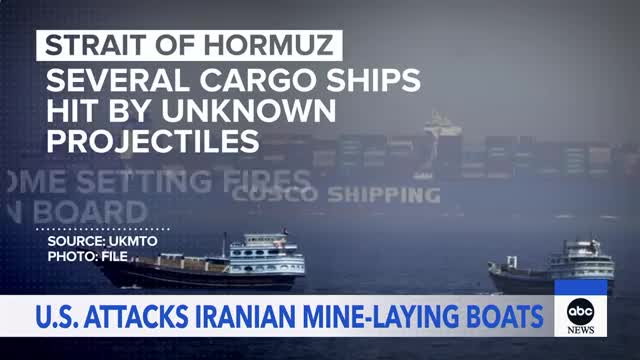
Several cargo ships in the Strait of Hormuz have been hit by unknown projectiles, according to the British Maritime Authority, with some reportedly catching fire. The US has released new video footage of the strikes on Iranian naval ships, claiming to have destroyed 16 vessels. The conflict has also seen a wave of US and Israeli strikes on Iran, resulting in a significant increase in the death toll, with over 1,200 reported fatalities.
The conflict has witnessed intense fighting, with the US promising to unleash the “most intense day of the war so far,” involving the deployment of the “most fighters, the most bombers, and the most strikes.” The Israeli military has also intensified its attacks on Iranian-backed Hezbollah in Lebanon, launching over a dozen strikes, including in the capital city of Beirut.
Humanitarian Toll and Casualties
The conflict has taken a devastating toll on civilians and service personnel alike. Thousands of people have filled the streets of Tehran for the funerals of several top Iranian commanders killed in the first wave of the war. The Israeli military’s precision strike in the residential heart of Beirut has wounded at least four people, causing significant damage to the surrounding area.
The toll on American service personnel has also become clearer, with the Pentagon revealing that at least 140 US service members have been injured, including eight who were severely wounded. The Iranian strike that killed six US troops in Kuwait has been described by one of the survivors, 37-year-old Minnesota Army Sergeant First Class Corey Hicks, who is recovering from severe shrapnel injuries at Walter Reed.
Personal Account of a Survivor
Sergeant Hicks described the moment a deadly drone crashed into the building where he and his fellow soldiers were taking shelter. “I kind of looked around and I saw everything was just smoke and fire and crazy and chaos,” he said. Hicks also remembered one of the service members who didn’t survive, Master Sergeant Nicole Amour, who was “literally five feet from me when that happened.” He described her as “the kindest, kindest woman ever.”
Regime Change and Protests
As the conflict continues to escalate, Israeli Prime Minister Netanyahu has openly called for regime change in Iran, urging the Iranian people to “be ready to seize the moment.” However, Iran’s chief of police has warned that any protests will be met with force, stating, “we will do what we did to the enemy, our hand is on the trigger.” These chilling words have raised concerns about the potential for further violence and instability in the region.
Conclusion
The conflict between the US, Israel, and Iran has reached a critical point, with the potential for further escalation and humanitarian disaster. As the situation continues to unfold, it is essential to consider the long-term consequences of this conflict and the impact it will have on the region and the global community. The international community must work towards finding a peaceful resolution to this conflict, one that addresses the concerns of all parties involved and promotes stability and security in the Middle East.
Leave a Reply